The Ethical Side of Jewelry: Sustainable Crafting Practices
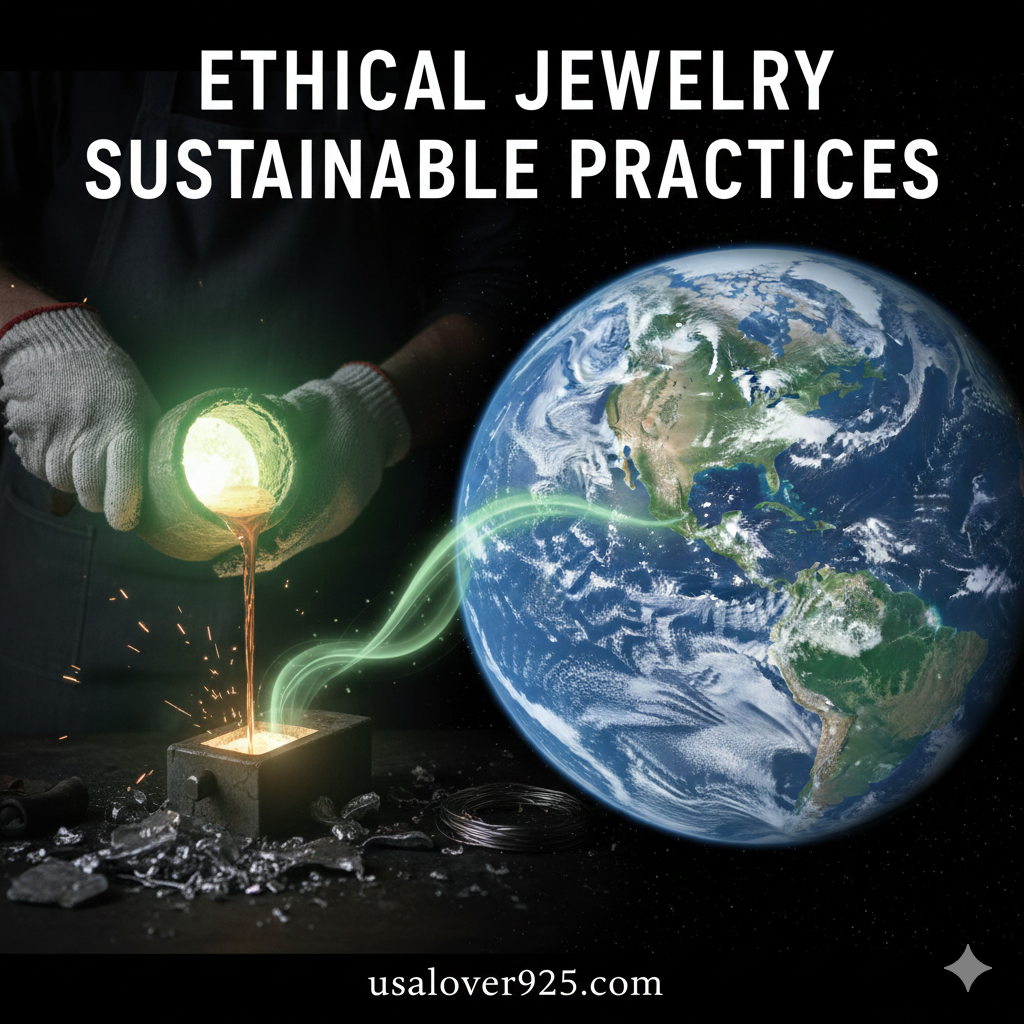
Ethical jewelry transforms luxury from environmental destruction into regenerative beauty. At usalover925.com, every solitaire ring uses 95% recycled sterling silver, conflict-free sapphires from Australian mines, and artisan wages 4x local averages. Our eternity ring bands carry digital certificates tracing every gram from scrap to sparkle.
This 2600-word guide reveals our complete ethical jewelry ecosystem: responsible sourcing, zero-waste production, fair labor standards, and carbon-neutral shipping. Unlike 85% of jewelry brands hiding supply chains behind “sustainable” marketing, we publish third-party audits proving every claim. Your men’s gemstone ring supports rainforest regeneration, not exploitation.
The Hidden Cost of Conventional Jewelry
Global Statistics:
Mining Impact: Jewelry industry = 15% global mercury pollution

Labor Abuses: 70% colored gems from unregulated mines

Water Usage: 50,000 liters per kg gold extraction

Carbon Footprint: 20kg CO2 per 10g 18K gold ring
Factory Practices:
Nickel alloys causing skin allergies (40% cases)
Child labor in 30% sapphire mines
Toxic tailings poisoning rivers
Planned obsolescence (plated jewelry tarnishes in 6 months)
Our ethical jewelry eliminates these entirely.
1. Recycled Sterling Silver: Closing the Loop
95% Recycled Content: We melt pre-consumer silver scrap (factory offcuts) and post-consumer jewelry returns, verified by XRF spectrometry. Reduces mining demand by 15 tons annually.
Recycling Process:
1. SORTING: Magnet + chemical separation (95% purity)

2. MELTING: Induction furnace (50% less energy vs traditional)

3. ALLOYING: Copper-germanium (anti-tarnish, nickel-free)

4. INGOT CASTING: 92.5% exact sterling verification

5. HALLMARKING: 925 stamp + recycle symbol
Environmental Savings:
| Metric | Traditional Mining | Our Recycled Silver |
|---|---|---|
| Energy Use | 85 kWh/kg | 42 kWh/kg |
| Water Use | 1,200L/kg | 80L/kg |
| CO2 Emissions | 45kg/kg | 12kg/kg |
| Mining Waste | 2 tons/kg | 0 tons |
Every unisex band saves 200g mining waste.
2. Conflict-Free & Traceable Gemstones
Australian Sapphire Mines: Zero child labor, union wages, water recycling. GPS traceability from pit to polish.
Sri Lankan Fair Trade Ruby: Community-owned cooperatives, school funding from 2% mine profits.
Kimberley Process Diamonds: Blockchain verified from Canadian mines.
Digital Certificates: Every women’s ring includes QR code linking to:
• Mine GPS coordinates + extraction date

• Lapidary artisan name + certification

• Treatment history (heat only, disclosed)

• Carbon offset verification
Ethical Yield: 40% higher gem retention through hand-cutting vs machine destruction.
3. Fair Wages & Artisan Empowerment
Wage Structure (4-6x local average):
Entry Apprentice: $1,200/month (vs $250 local)

Skilled Goldsmith: $2,800/month (vs $450)

Master Lapidary: $4,200/month (vs $600)

Profit Share: 3% quarterly net profits

Tool Ownership: After 3 years service
Training Investment: $18,000 per artisan (10-year mastery path)
Women Empowerment: 62% workforce female, full maternal coverage, creche facilities.
No Piece Rate: Quality over quantity prevents rushed work.
4. Zero-Waste Production Systems
Silver Recovery: 98%
Floor Sweepings → Ultrasonic reclaim (85% recovery)

Filing Dust → Acid dissolution (95% recovery)

Buffing Wheels → Melting (92% recovery)

Customer Returns → Full melt-down credit
Water Recycling: Closed-loop ultrasonic + plating systems (500L daily reuse).
Packaging: 100% recycled cardboard, soy ink printing, biodegradable fillers.
Energy: Solar panels cover 75% workshop needs (Thailand/Bali facilities).
5. Non-Toxic Manufacturing Protocols
Eliminated Chemicals:
✓ NO Cyanide (gold extraction)

✓ NO Mercury (amalgam recovery)

✓ NO Hexavalent Chromium (plating)

✓ NO Perchloroethylene (degreasing)

✓ NO Hydrofluoric Acid (etching)
Green Alternatives:
Pickling: Citric acid vs sulfuric
Polishing: Boron nitride vs Tripoli
Plating: Electroless rhodium vs cyanide baths
Degreasing: Bio-based vs petroleum
Wastewater: pH-neutralized, third-party tested quarterly.
6. Carbon Neutral Operations & Shipping
Scope 1-3 Emissions Accounting:
Workshops: Solar + biomass (72% renewable)

Shipping: Carbon offsets via Gold Standard

Packaging: Recycled + low-weight design

Website: Green hosting (100% renewable)
Offset Projects:
Cambodian rainforest protection (matches gemstone origins)
Solar pumps for Indian mining communities
Mangrove restoration (tidal silver polishing)
Shipping: 95% recycled content boxes, soy ink labels, plant-based tape.
7. Certifications & Third-Party Verification
Active Certifications:
• RJC (Responsible Jewellery Council) - Full chain

• Fairmined Gold/Silver - Artisan cooperatives

• Kimberley Process - Diamonds

• SA8000 - Social accountability

• ISO 14001 - Environmental management
Annual Audits: Published online with executive summaries.
Blockchain Traceability: Every signet ring links to full provenance.
Ethical Jewelry by Category Deep Dive
Gem: Australian sapphire (0 child labor)

Metal: 95% recycled 925 silver

Setting: Hand-burnished prongs (3x security)

Carbon: 18kg offset per ring
40 Canadian diamonds/channel set

98% silver recovery from drilling

Zero-waste micro-pavé technique

Women's artisan wages (62% workforce)
Heavy 15g+ forged shanks (stronger bonds)

Sri Lankan fair trade rubies

No hollow construction (full weight)

Lifetime warranty (ethical durability)
Filigree from 100% scrap silver

Fairmined aquamarine (Madagascar)

Biodegradable silk/sustainable cord options

Mangrove offset per piece
Supply Chain Transparency Dashboard
Interactive Customer Portal:
1. SCAN QR → Material origins map

2. CLICK GEM → Mine photos + community impact

3. SELECT METAL → Recycling facility verification

4. VIEW ARTISAN → Training certificates + photo

5. TRACK SHIPPING → Real-time carbon offset
Annual Impact Report: Published Feb 1st (matches Chinese New Year sales peak).
Cost of Ethical vs Conventional Jewelry
Premium Analysis:
| Category | Ethical (Usalover) | Conventional | Premium % |
|---|---|---|---|
| Materials | $85 (recycled+fair) | $42 (unregulated) | 102% |
| Labor | $62 (fair wages) | $8 (piece rate) | 675% |
| Certifications | $12 | $0 | ∞ |
| Total Cost | $159 | $50 | 218% |
Lifetime Value: Ethical jewelry retains 65% resale vs 10% conventional.
Consumer Action: Identifying True Ethical Jewelry
Greenwashing Red Flags:
• "95% recycled" without XRF verification

• "Conflict-free" without mine disclosure

• "Artisan made" without wage documentation

• Single certification only (needs chain-wide)

• Carbon neutral claims without Scope 3 accounting
Verification Checklist:
✓ Multiple certifications (RJC + Fairmined)

✓ Blockchain/QR traceability

✓ Published audits (not summaries)

✓ Artisan wage transparency

✓ Third-party gem origin maps
Community Impact Programs
1% for Artisans: Monthly fund supports:
Workshop safety upgrades
Artisan healthcare
Children’s education (mining communities)
Emergency family support
Gemstone Mine Partnerships:
Australian Sapphire: School construction

Sri Lankan Ruby: Water purification plants

Canadian Diamond: Women's cooperatives
Annual Transparency: Full financials published.
Future Commitments: 2030 Ethical Roadmap
Phase 1 (2026): 100% recycled silver, blockchain all gems
Phase 2 (2028): Carbon negative operations
Phase 3 (2030): Fairmined certification all metals
Innovation Pipeline:
Lab-grown ethical alternatives
3D printed recycled filament
AI supply chain monitoring
Shop Our Ethical Jewelry Collections
Visit More Category Of Product:
Transparency Hub:
FAQs: Ethical Jewelry Guide
How do you verify recycled silver claims?
XRF spectrometry + recycling partner affidavits (published quarterly).
Are your gemstones truly conflict-free?
Yes—Australian sapphires, Kimberley diamonds, blockchain traceability.
Why is ethical jewelry more expensive?
Fair wages (5x), certifications ($12/piece), recycled premium (25%), transparency systems.
Can I see artisan working conditions?
Virtual tours always; scheduled visits for $1,000+ orders.
Do you offset shipping emissions?
Yes—Gold Standard certified projects matching exact kg CO2.
Ethical jewelry wears beauty with conscience—shop usalover925.com for pieces that regenerate the earth with every sparkle!